


Most streamers treat monetization like a switch.
Flip it on too early and you look desperate.
Wait too long and you tell yourself you’re “doing it the right way.”
Entire debates orbit this moment. Discord threads. Advice videos. Hot takes that all circle the same question:
When should I monetize my stream?
But that question misses the point.
Timing isn’t what makes monetization work or fail.
Design is.
Once you see that, the early-vs-late debate stops being useful — and a better framework takes its place.
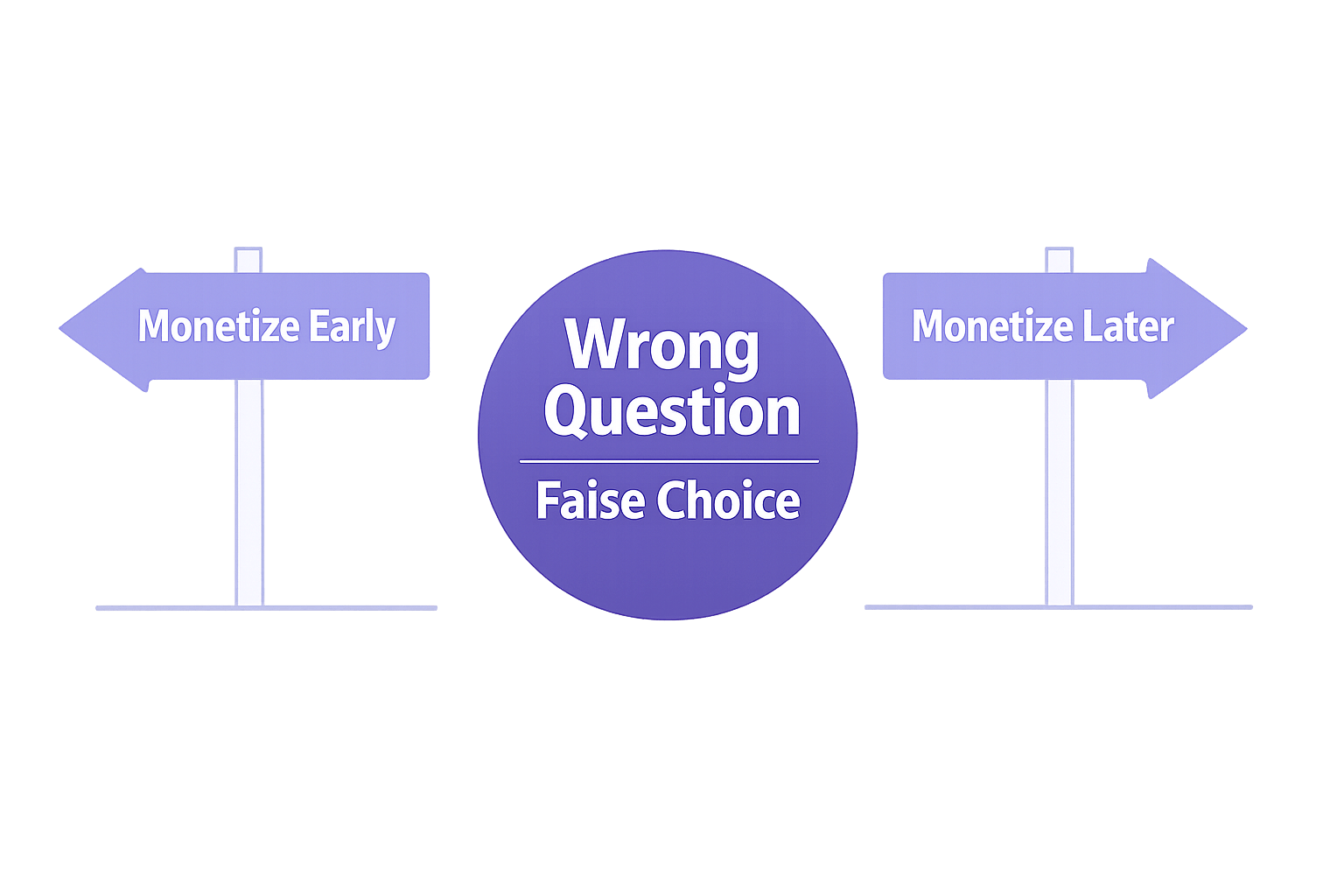
Monetization Early vs Monetization Later: Why Timing Isn’t the Real Variable
The reason this argument never dies is simple: both sides describe real outcomes, but neither explains why they happen.
The monetize early crowd talks about motivation and reinforcement.
The monetize later crowd talks about trust and comfort.
Both are right.
Both are incomplete.
What almost no advice addresses is how monetization quietly changes behavior — not income. That’s where streams actually succeed or break.
What Monetization Changes
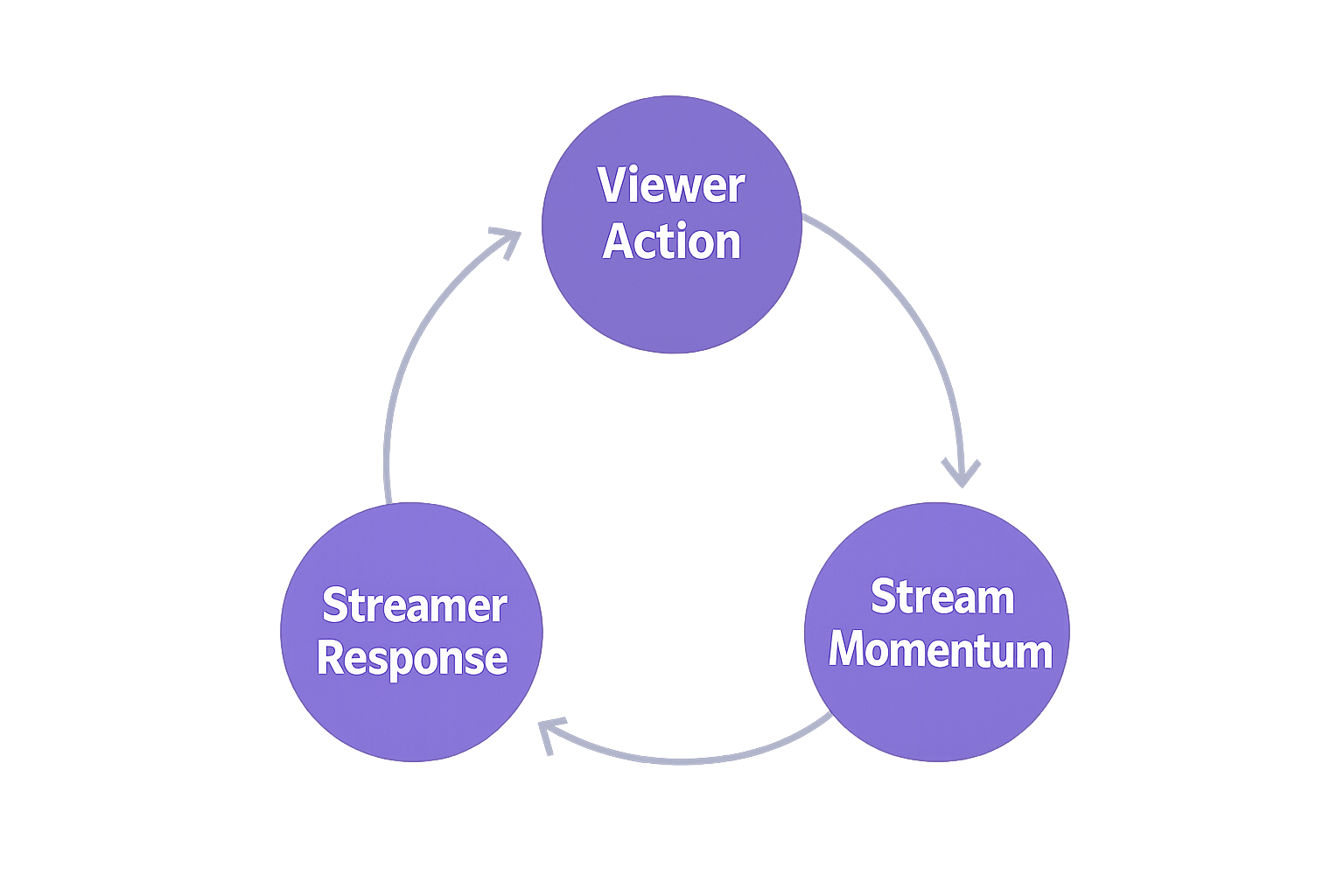
Monetization doesn’t just add a way to earn. It changes how a stream feels to be part of.
It does three things at once:
It signals value.
The presence of monetization tells viewers this isn’t just background noise. Participation matters here — even if no one uses it yet.
It creates feedback.
For streamers, action matters more than amounts. A single acknowledged interaction can do more for consistency than weeks of silent viewership.
It trains behavior.
Viewers learn what’s normal by watching what gets noticed. What’s acknowledged becomes culture. What’s awkward disappears.
You’ve been streaming a few weeks.
The same names show up. Mostly lurkers. Minimal chat.
One small action happens. You acknowledge it. React to it.
Suddenly the stream feels alive — not because of money, but because something happened.
Monetization fails when this system introduces friction instead of flow.
Why Timing Fails People
Early monetization fails when it asks too much, too soon.
New viewers are already deciding:
- Should I stay?
- Should I chat?
- Should I come back?
Layering multiple support options or guilt-framed language on top of that creates decision fatigue. When people feel overloaded, they choose nothing.
Late monetization fails for the opposite reason.
Running a stream with no visible support quietly teaches viewers that no action is expected. When monetization suddenly appears, it feels like a rule change — not an opportunity.
The problem in both cases isn’t when monetization appears.
It’s how abruptly it changes expectations.
The Third Path
This is where the early-vs-late debate falls apart.
There’s a third approach that isn’t about timing at all.
Monetization that:
- Exists without explanation
- Doesn’t stop the content
- Doesn’t demand attention
- Doesn’t test loyalty
When monetization feels like participation instead of payment, resistance drops.
Think of it as background participation.
Viewers don’t feel like they’re “supporting a streamer.”
They feel like they’re contributing to something already in motion.
When monetization works this way, it compounds momentum instead of creating hesitation.
Momentum vs Friction
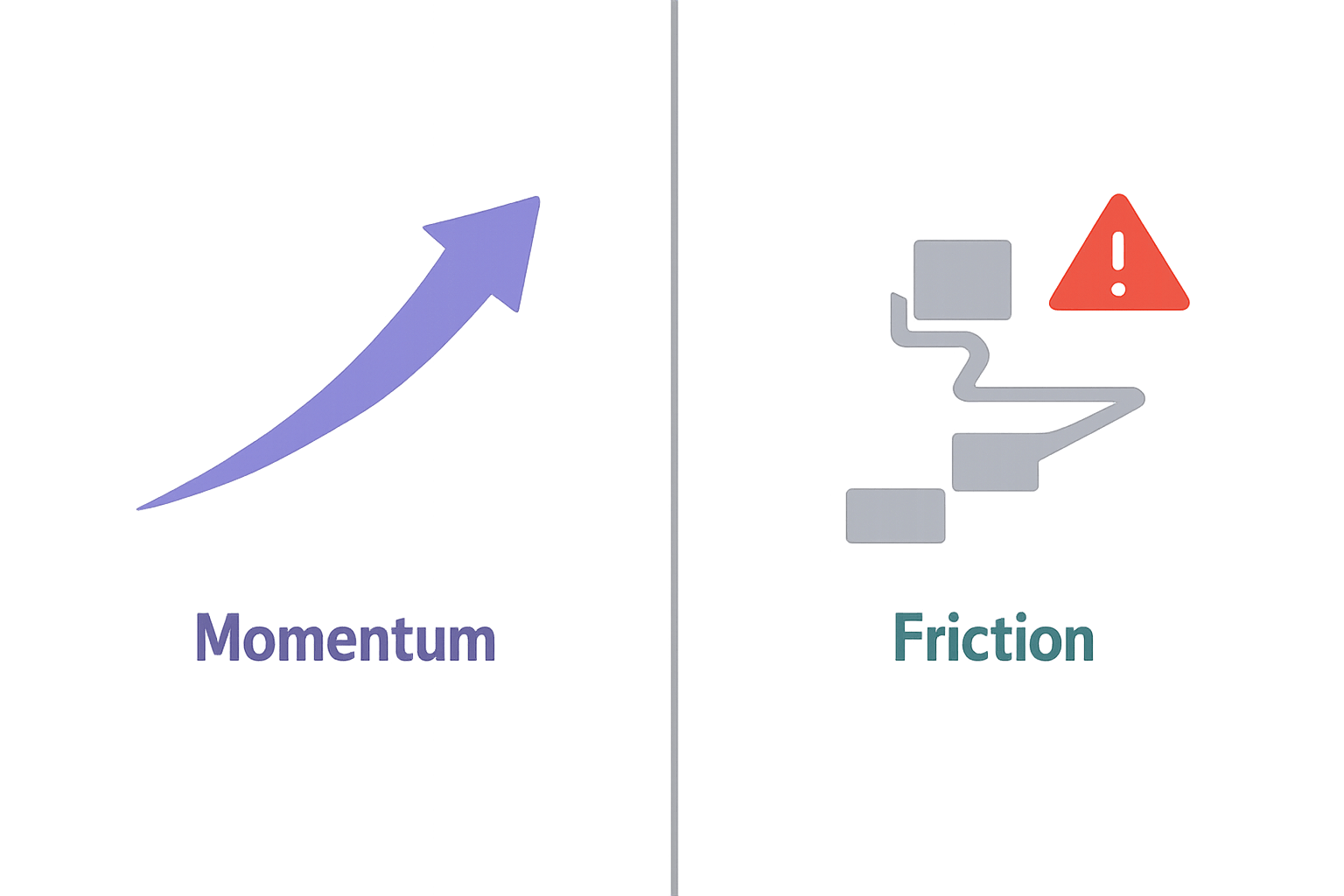
Every monetization decision does one of two things:
It builds momentum
- Rewards presence
- Reinforces interaction
- Makes the stream feel alive
Or it creates friction
- Interrupts content
- Forces decisions
- Adds social pressure
Momentum compounds.
Friction stalls.
Most small-stream monetization setups don’t fail because viewers are unwilling to support. They fail because the system makes support feel uncomfortable.
Monetization Isn’t a Switch. It’s Infrastructure.
The most damaging myth in streaming is that monetization is something you unlock once you’re “big enough.”
In reality, monetization shapes behavior long before it generates income.
Poorly designed monetization slows streams down.
Well-designed monetization stores momentum.
You’re not late.
You’re not early.
You’re building a system — and systems last.
FAQ
Is it bad to monetize with very few viewers?
No. It’s only bad when monetization interrupts the experience or adds pressure.
Can monetization hurt growth?
Yes — if it creates friction. Design matters more than timing.
What if no one uses monetization early on?
That’s normal. Presence shapes expectations before volume shows up.
How do you avoid making monetization awkward?
By letting it exist quietly instead of constantly explaining or justifying it.
Is passive monetization better for small streams?
Often, yes. It lowers pressure while still allowing participation.